

RRA
Time to complete block 13-13.5hrs • Follow up reading 4-4.5hrs
The Renters’ Rights Act (RRA) 2025
Introduction
This block of learning has been designed to help housing professionals, enforcement officers, Housing Options teams, and partner organisations understand one of the most significant reforms to the private rented sector in England for more than a generation.
Welcome & Overview
The Renters’ Rights Act 2025 fundamentally changes how the private rented sector operates. A fundamental change to tenancy rights and security ending
For local authorities and frontline services, it introduces new powers and duties.
This programme will guide you through those changes in a clear, practical and operationally focused way.
When you have completed this Block, you should have a good understanding of the changes to The Renters’ Rights Act 2025 and how they apply.
This Blocks Purpose
This programme has been developed to ensure that learners:
- Understand the legal framework created by the Renters’ Rights Act
- Can confidently apply the new rules in frontline practice
- Are able to advise tenants and landlords accurately
- Can identify non-compliance and enforcement triggers
- Are prepared for the operational impact on homelessness prevention services
The focus throughout is not just on what the law says, but on how it works in practice.
Who This Programme Is For
This programme is suitable for:
- Housing Options and homelessness prevention officers
- Environmental health and private sector housing teams
- Enforcement and regulatory staff
- Temporary accommodation officers
- Commissioning and policy teams
- Partner organisations working with private renters
- Managers responsible for service design and delivery
- Voluntary, Community and Faith Groups
No prior legal qualification is required. The content is designed to build understanding step by step, with practical examples and applied learning throughout.
Why This Matters
Private renting now accounts for nearly one in five households in England. Since 2014 private renting has overtaken occupancy in the social rented sector.
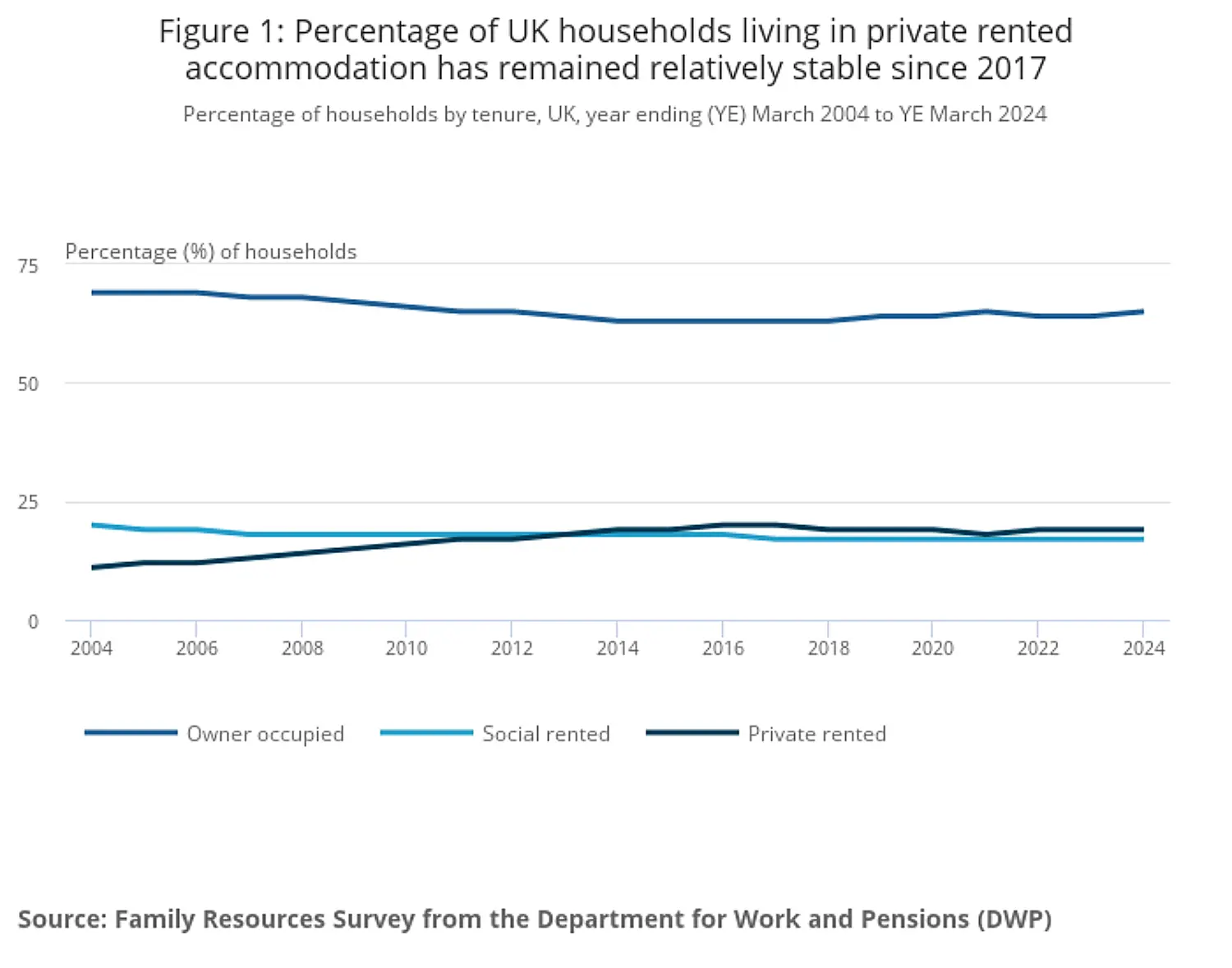
At the same time, the private rented sector has been characterised by short-term tenancies, rising rents, inconsistent property standards and a high volume of no-fault eviction-driven homelessness.
The Renters’ Rights Act represents a major reset. It aims to create greater stability for tenants, improve property standards, strengthen protections and professionalise landlord practice. It also places local authorities at the centre of monitoring, investigating and enforcing standards.
Assessment and Certification
Each unit contains exercises designed to reinforce learning and promote comprehension, which are not graded.
The End of block assessment is marked for your CPD certificate.
Upon successful completion of the entire programme, participants will be awarded a Locata Academy Certificate of Completion, formally recognising their professional development in the implementation and practice of the Renters’ Rights Act.
The Block should take 8 to 10 hours to complete, with 4 to 5 hours of follow-up readings.
At the end of the Block there are is an Assessment to test your understanding of The Renters’ Rights Act 2025. The assessment is made up of 40 randomly generated yes/no questions. The pass mark is 70 per cent. This means that 28 of the 40 questions must be answered correctly. Once the assessment has been passed, you will receive a certificate showing your accomplishment in your personal dashboard.
Learning Outcomes
By completing this unit, learners will be able to:
- Describe the new tenancy framework under the RRA
- Understand how the possession processes now operate
- Identify potential breaches
- Recognise how the Act reshapes homelessness prevention duties
- Recognise how the Act reshapes compliance and enforcement of standards
- Support tenants and support landlords in complying with the new system
Using This Knowledge Responsibly
While this leaning programme provides detailed operational guidance, it does not replace formal legal advice.
Learners should always:
- Follow statutory guidance
- Apply local authority policies and procedures
- Escalate complex legal cases appropriately
- Keep up to date with future regulations and updates
The Renters’ Rights Act will continue to evolve as further secondary legislation is introduced.
Final Welcome Message
The changes introduced by the Renters’ Rights Act represent both a challenge and an opportunity.
For local authorities and housing professionals, this is a chance to move away from crisis-driven responses and towards earlier intervention, stronger prevention and fairer access to housing.
By completing this programme, you are building the skills needed to confidently apply the provisions of the Act and deliver that change.
We wish you every success as you begin the Locata Academy Renters’ Rights Act Programme.
-
RRA Unit 1 - Introduction
-
RRA 1.1 Roadmap for implementing the RRA
-
RRA 1.1.1 Implementation Roadmap – Other Key Milestones
-
RRA 1.1.2 – The RRA changes do not apply to every situation where someone pays rent
-
RRA 1.1.3 - The End of Fixed-Term Tenancies
-
RRA 1.1.4 - Tenancy Agreements - What they have to contain
-
RRA 1.1.5 - The End of Section 21 “No-Fault” Evictions
-
RRA 1.1.6 - Scenario 1: “The Fixed-Term That Isn’t”
-
RRA 1.2 - New Mandatory and Discretionary Possession
-
RRA 1.2.1 - Full List of Mandatory Grounds
-
RRA 1.2.2 - A Full List Discretionary Grounds
-
RRA 1.2.3 – Scenario 2: “The Sale That Raises Questions”
-
RRA Unit 2 - Introduction
-
RRA 2.1 - Ending Rental Bidding Practices
-
RRA 2.2 - Ending Discrimination Against Benefit Claimants and Families
-
RRA 2.3 - Right to Request a Pet
-
RRA 2.4 - Banning of more than one month’s rent in advance before the tenancy has been signed
-
RRA 2.5 - Rent Increases and the First-tier Tribunal (FTT)
-
RRA 2.5.1 - Scenario 3: “The Rent Increase That Tips the Balance”
-
RRA Unit 3 Introduction
-
RRA 3.1 - Private Rented Sector Landlord Ombudsman
-
RRA 3.2 - Private Rented Sector Database
-
RRA 3.3 - Decent Homes Standard in the PRS
-
RRA 3.4 - Implementing Awaab’s Law
-
RRA 3.5 - Changes to Homelessness Legislation
-
RRA 3.5.1 - Nightly let self-contained main duty temporary
-
RRA 3.6 - Changes to the H-CLIC recording and reporting system
-
RRA Unit 4 Introduction
-
RRA 4.1 - Mandatory Membership of the Private Rented Sector Landlord Ombudsman
-
RRA 4.2 – Registration on the Private Rented Sector Database
-
RRA 4.3 – Rent Increases: New Legal Duties on Landlords
-
RRA 4.4 - Scenario 4: “The Accidental Non-Complier”
-
RRA 4.5 – The Right to Request a Pet: Landlord Responsibilities
-
RRA 4.6 – Meeting the Decent Homes Standard in the PRS
-
RRA 4.7 – Ending Discrimination: Equality Duties on Landlords
-
RRA 4.8 - Scenario 5: “The Reasonable Refusal?”
-
RRA 4.9 – Civil Penalties and the Enforcement Framework
-
RRA 4.10 – Housing Associations and Supported Housing: Special Considerations
-
RRA 4.11 - Scenario 6: “When Compliance Fails”
-
RRA Unit 5 - Introduction
-
RRA 5.1 – Mandatory and Discretionary Grounds: What’s the Difference?
-
RRA 5.1.1 – Amended Rules Once a Notice Has Expired
-
RRA 5.1.2 – The Main Possession Grounds Likely to be Used in Practice
-
RRA 5.1.3 - Wanting the Property Back for Close Family – Ground 1
-
RRA 5.1.4 - Wanting the Property Back to Sell – Ground 1A
-
RRA 5.1.5 - Scenario 7: “Selling or Saying?”
-
RRA 5.1.6 - Rent Arrears
-
RRA 5.1.7 - Scenario 8: “Arrears or Not Quite?”
-
RRA 5.1.8 - Anti-Social Behaviour (ASB) – Ground 7A (mandatory) and Ground 14 (discretionary)
-
RRA 5.1.9 Breach of Tenancy - Ground 12
-
RRA 5.1.10 Redevelopment or Major Works – Ground 6
-
RRA 5.1.11 Scenario 9: “Behaviour, Breach or Something Else?”
-
RRA Unit 6 - Introduction
-
RRA 6.1 – Changes to Homelessness Legislation Brought About by the RRA
-
RRA 6.1.1 – Changes to the Homelessness Code of Guidance
-
RRA 6.1.2 – New Council Responsibilities Under the RRA: Who Does What?
-
RRA 6.1.3 – Preventing Homelessness in PRS Section 8 Notice Cases: A New World
-
RRA 6.1.4 Scenario 10: “The Notice That No Longer Starts the Clock”
-
RRA 6.1.5 Scenario 11: “Prevent First, Move Later”
-
RRA 6.1.6 – Court Advocacy and the McKenzie Friend Explained
-
RRA 6.1.7 – Reshaping Housing Options Services for the RRA
-
RRA 6.1.8 - Scenario 12: “Challenging the Inevitable”
-
RRA 6.1.9 Housing Options Decision Tree
-
RRA 6.1.10 Manager Briefing Pack
